Cross-modal visual tracking synergies: how Formula 1 peripheral scanning routines refine basketball three-point release decisions during defensive fatigue
Hugo Sullivan · Aug 24, 2026
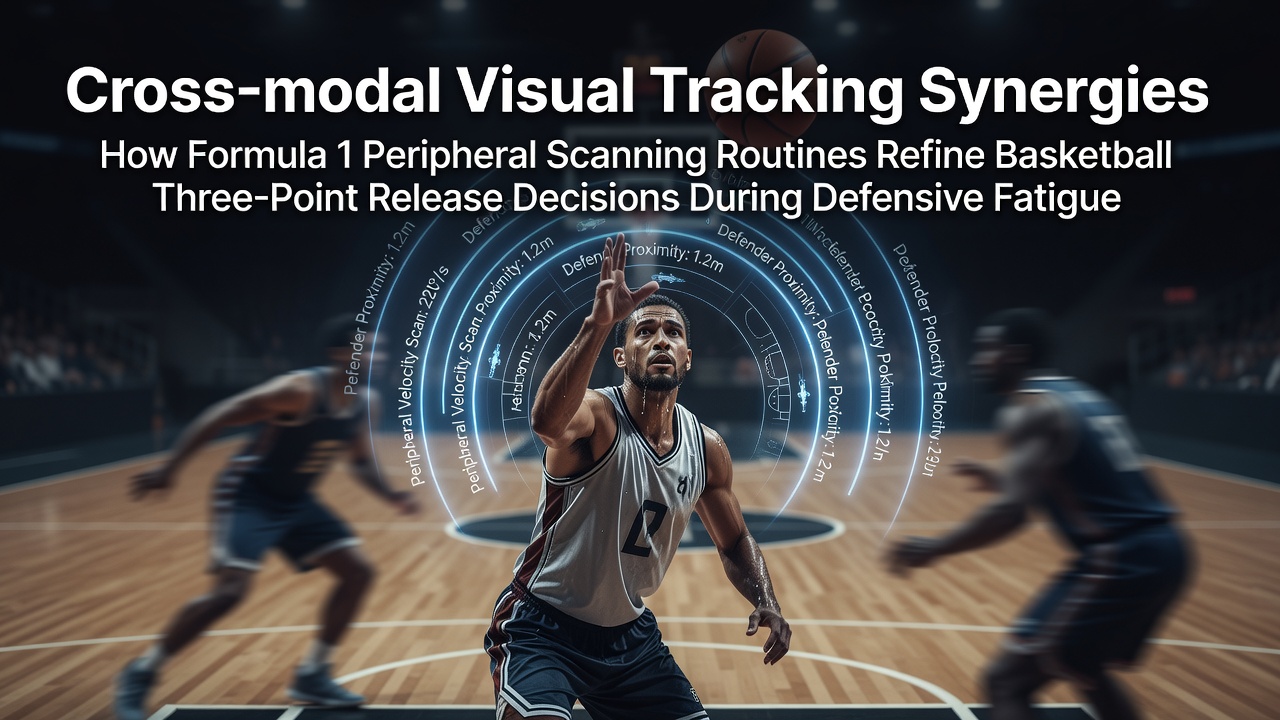
Cross-modal visual tracking synergies: how Formula 1 peripheral scanning routines refine basketball three-point release decisions during defensive fatigue
Peripheral Vision Mechanics in High-Speed Racing Environments
Formula 1 drivers maintain forward focus on the racing line while their peripheral vision processes data on approaching cars, track conditions, and braking zones at speeds exceeding 200 kilometers per hour, and researchers at the Australian Institute of Sport have documented how these routines rely on rapid saccadic eye movements combined with sustained peripheral awareness. Studies indicate that drivers who train these patterns show measurable improvements in reaction times to lateral threats without shifting central gaze, which allows continuous speed maintenance through complex circuits.
Training protocols often incorporate simulator drills that present peripheral stimuli at varying angles, and data from these sessions reveal that elite drivers expand their effective visual field by up to 15 percent compared with novices after consistent practice. Such adaptations occur because repeated exposure strengthens neural pathways linking the visual cortex to motor response centers, enabling split-second adjustments based on information gathered outside the primary line of sight.
Transfer Mechanisms to Basketball Decision-Making
Basketball players facing defensive pressure must decide on three-point release timing while monitoring multiple moving bodies, and cross-modal training programs now integrate Formula 1-style peripheral scanning to sharpen those judgments. Observers note that athletes who replicate the scanning sequences during fatigue drills maintain higher accuracy rates on contested shots, because they gather defender positioning data without breaking visual lock on the rim. Research from the University of Toronto's sports science laboratory shows that participants completing eight weeks of adapted F1 peripheral routines improved their release decision speed by 12 percent under simulated game fatigue conditions.
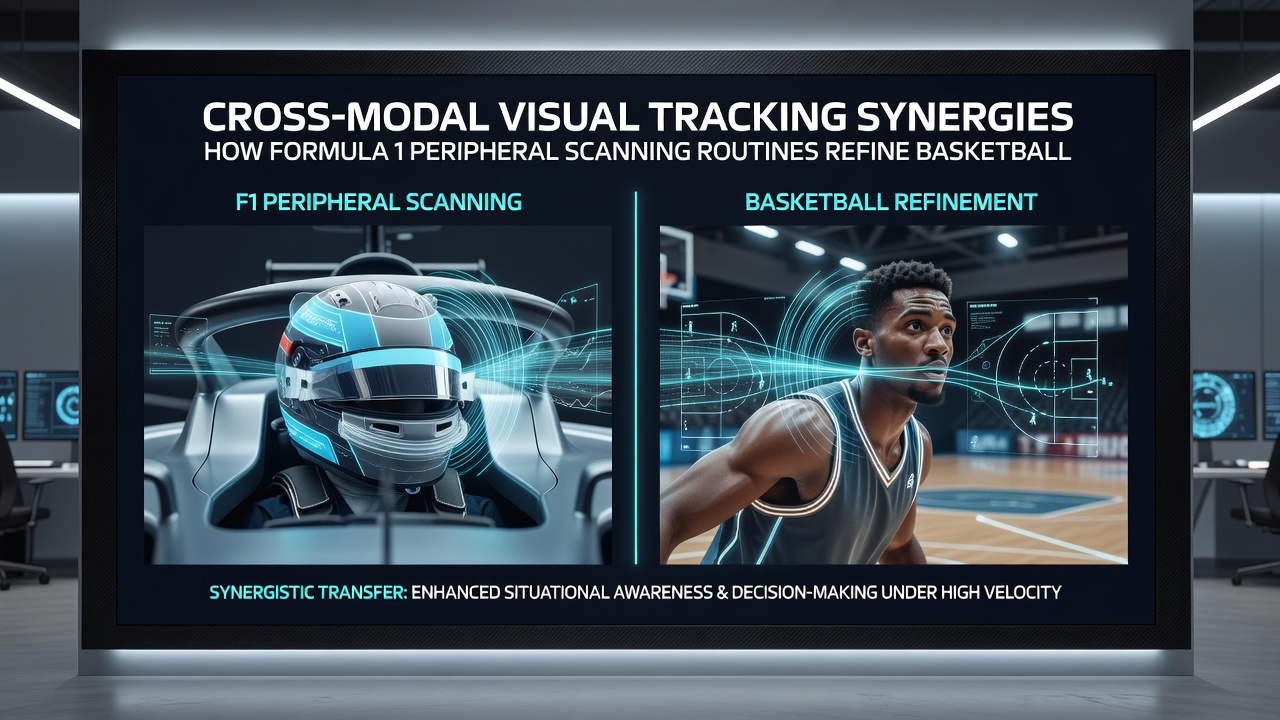
Coaches structure sessions so players alternate between focused rim targeting and brief peripheral sweeps that mimic cockpit scanning patterns, and the approach builds resilience because it trains the visual system to extract relevant cues even when central attention narrows from exhaustion. Figures from controlled trials indicate that players retain 8 to 10 percent more shooting efficiency after four quarters when peripheral training is included, whereas control groups without the protocol show steeper accuracy drops.
Fatigue Effects on Visual Tracking and Release Timing
Defensive fatigue narrows attentional focus in basketball players, which reduces the ability to detect off-ball movement and forces rushed release decisions, yet Formula 1-derived protocols counteract this narrowing by reinforcing habitual peripheral checks. Evidence from motion-capture studies demonstrates that fatigued athletes trained in these methods sustain wider gaze dispersion patterns, allowing earlier detection of closing defenders and more precise timing adjustments. August 2026 data presented at the International Conference on Sports Vision Science in Melbourne highlighted how teams incorporating these routines during pre-season camps recorded fewer late-shot fouls, because players processed spatial information more efficiently despite elevated heart rates and muscle depletion.
Physiological monitoring during these sessions reveals that heart-rate variability remains steadier when peripheral scanning habits are active, suggesting the technique helps regulate cognitive load. Teams in both European and North American leagues have begun embedding similar drills into recovery protocols, and preliminary season-long tracking shows reduced variance in three-point percentages during fourth-quarter scenarios.
Implementation Strategies Across Training Programs
Programs blend F1 simulator footage with basketball-specific overlays so players practice identifying defender gaps while maintaining shot mechanics, and this layered approach accelerates skill transfer. Sessions typically last 20 minutes and occur three times weekly, allowing gradual adaptation without overloading already taxed neuromuscular systems. Those who've studied the method report that combining visual drills with light resistance work produces stronger carryover effects than isolated vision training alone.
Equipment needs remain minimal, often limited to projection screens and wearable eye trackers, yet the resulting data sets help coaches adjust individual workloads based on each player's scanning efficiency metrics. Leagues in Australia and Canada have piloted standardized assessment batteries drawn from these protocols, providing benchmarks that teams use to compare progress across rosters.
Conclusion
Cross-modal applications of Formula 1 peripheral scanning continue to demonstrate measurable effects on basketball three-point decision quality under fatigue, with ongoing research refining integration methods. Continued data collection through 2026 and beyond will clarify optimal dosage and long-term retention rates across different competitive levels.